
Citrus counting game

Material author: © Margarita Barilskaya

No ratings yet

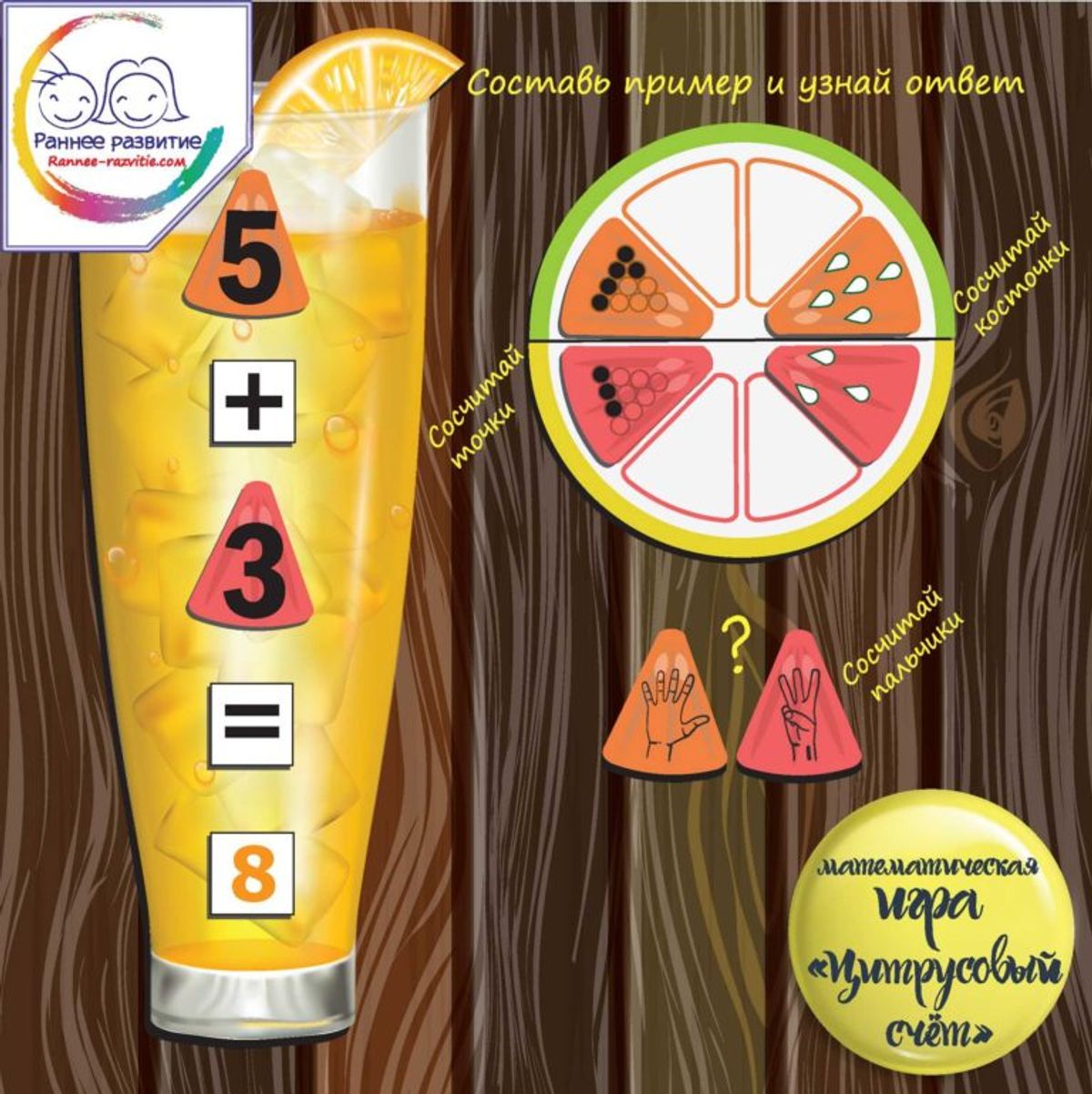
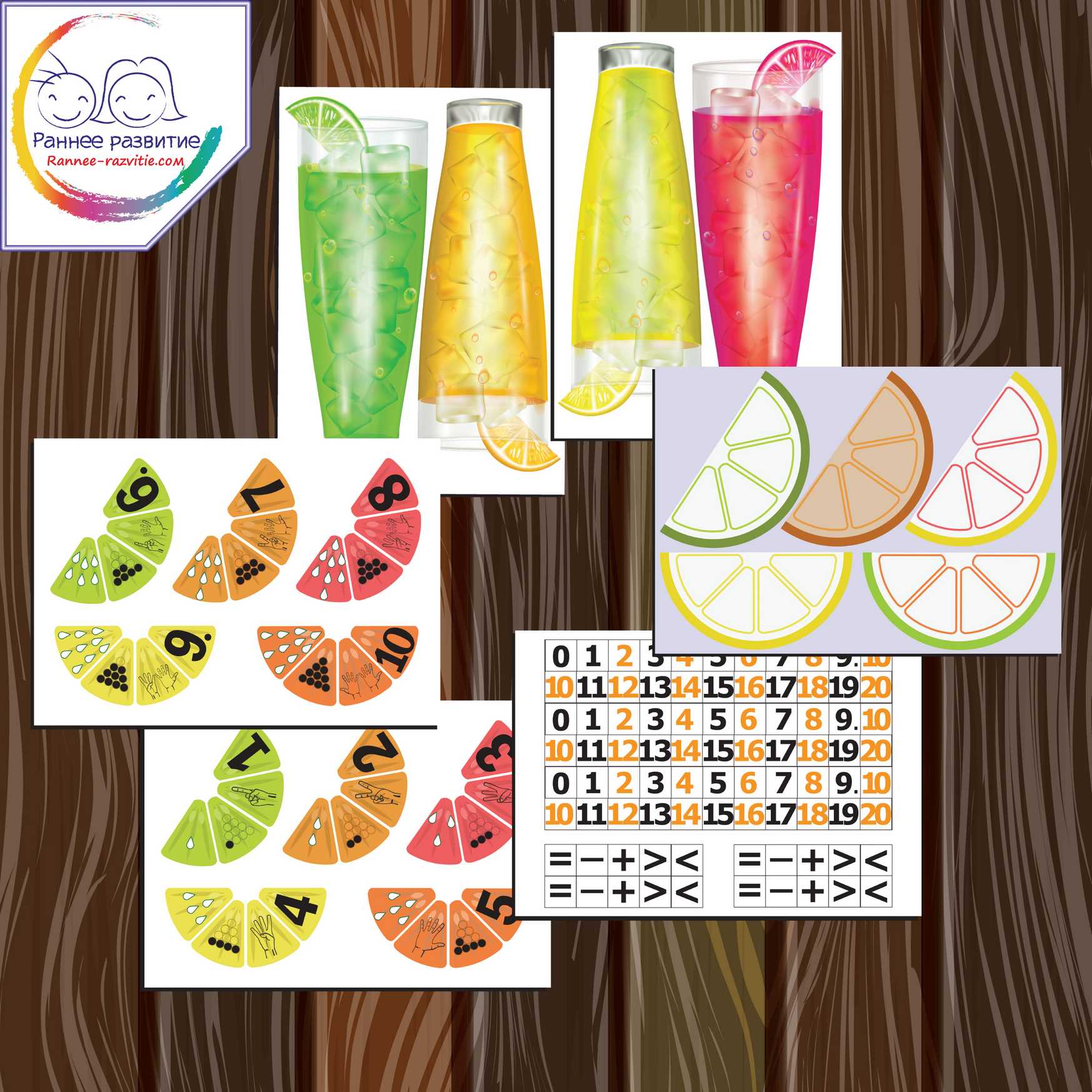
The set includes 6 A4 sheets for DIY printing. The game consists of:

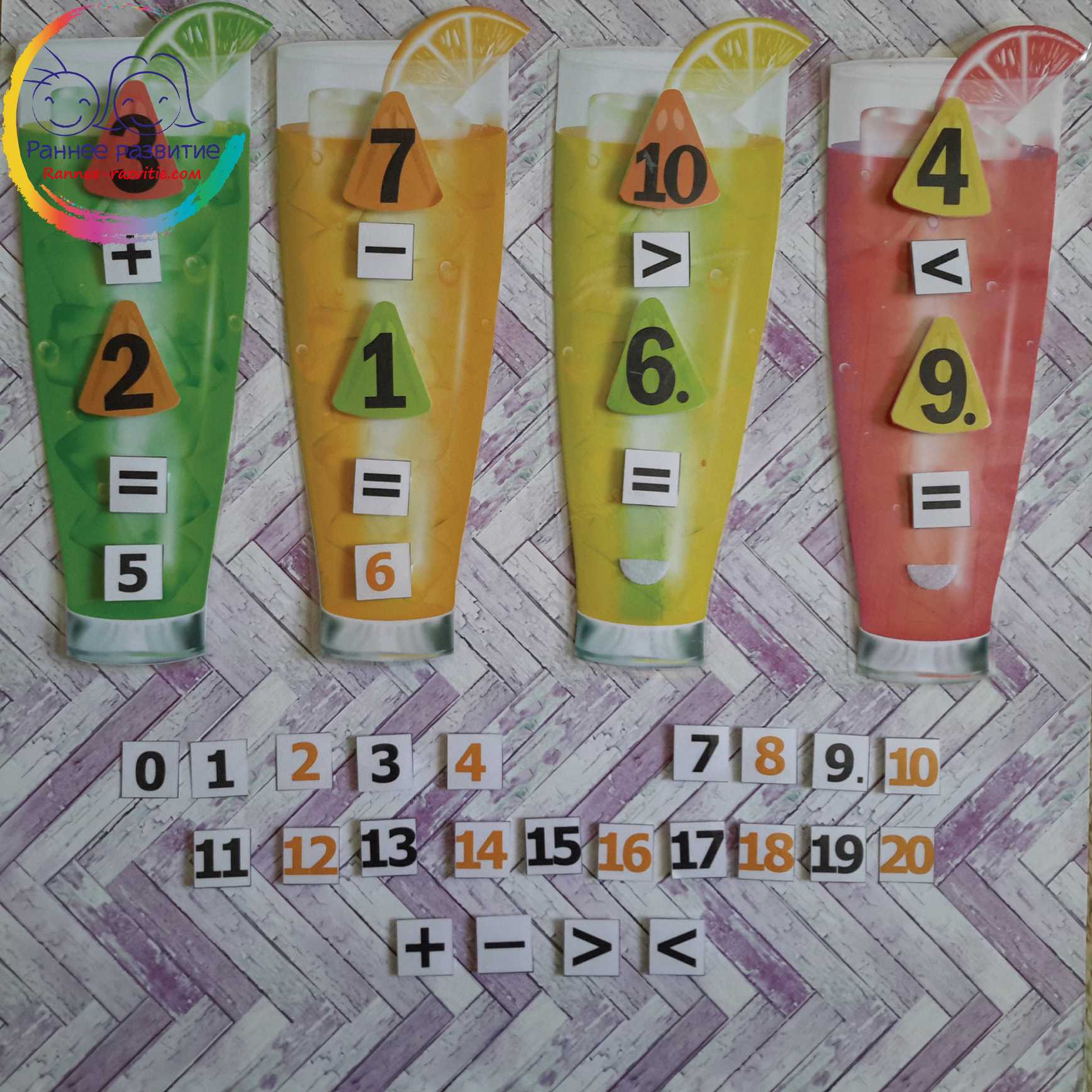
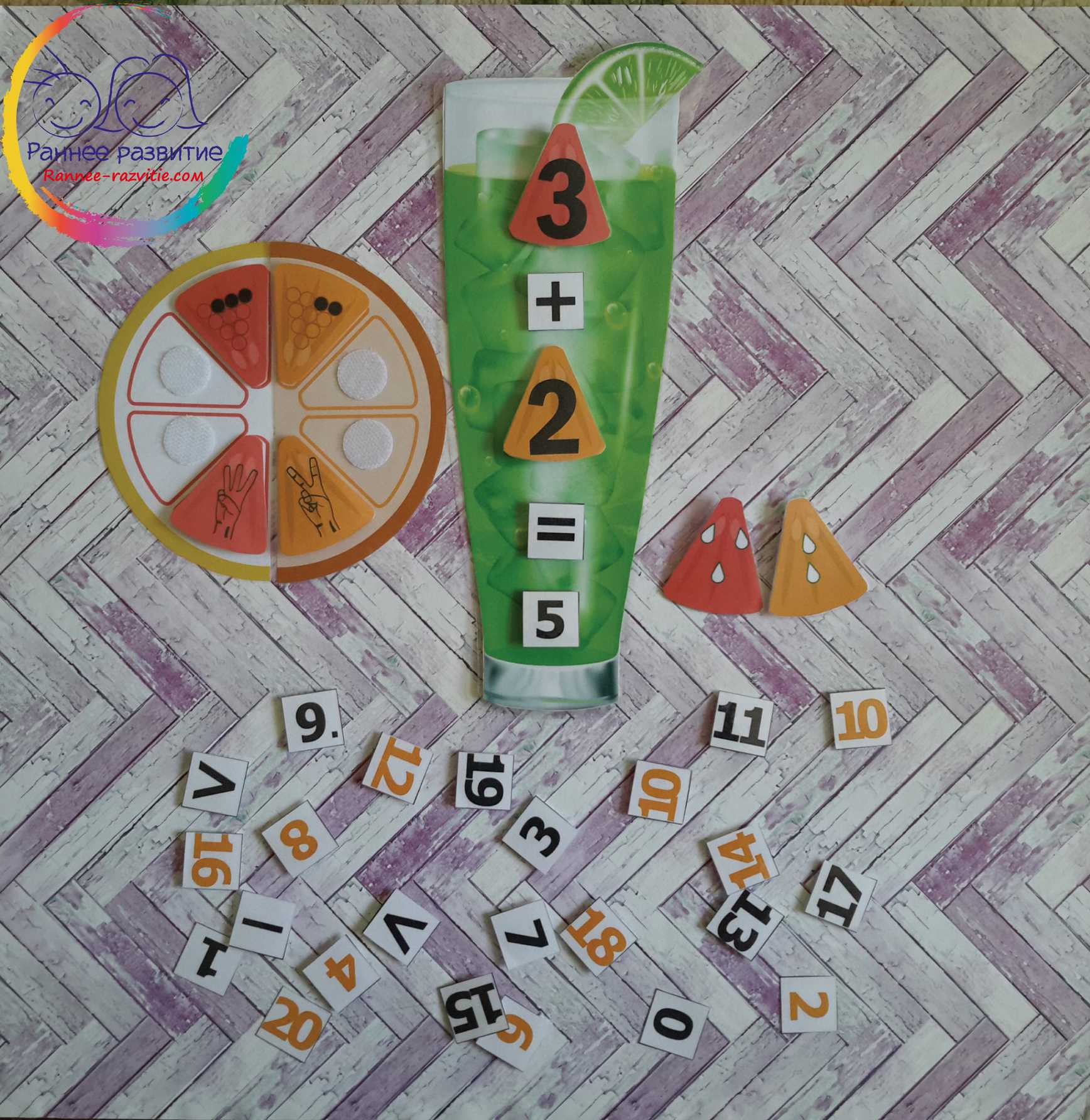
playing field for creating examples - “Glass of juice”;

cards with numbers and mathematical signs (+, -, ) for composing and solving examples;

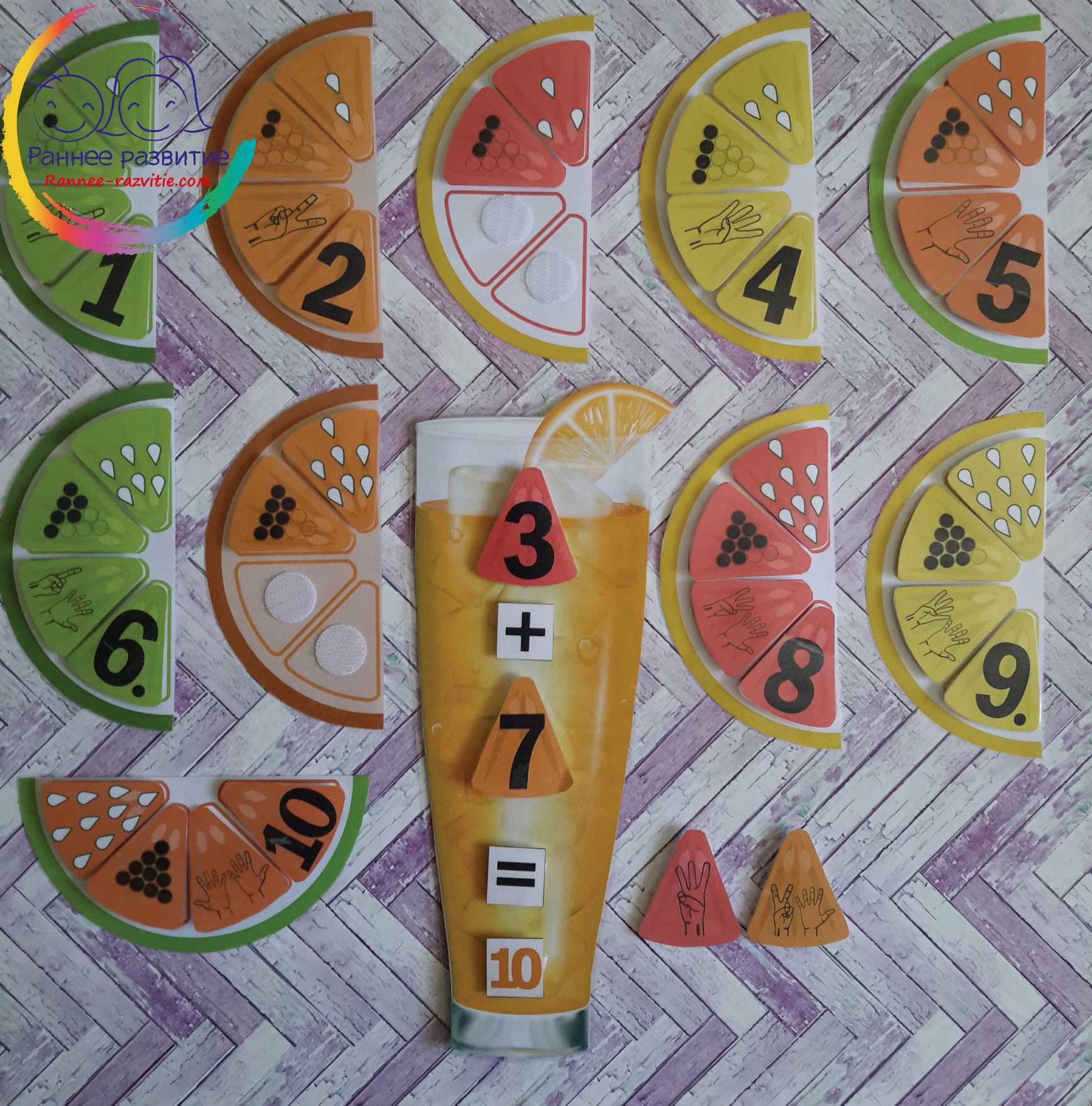
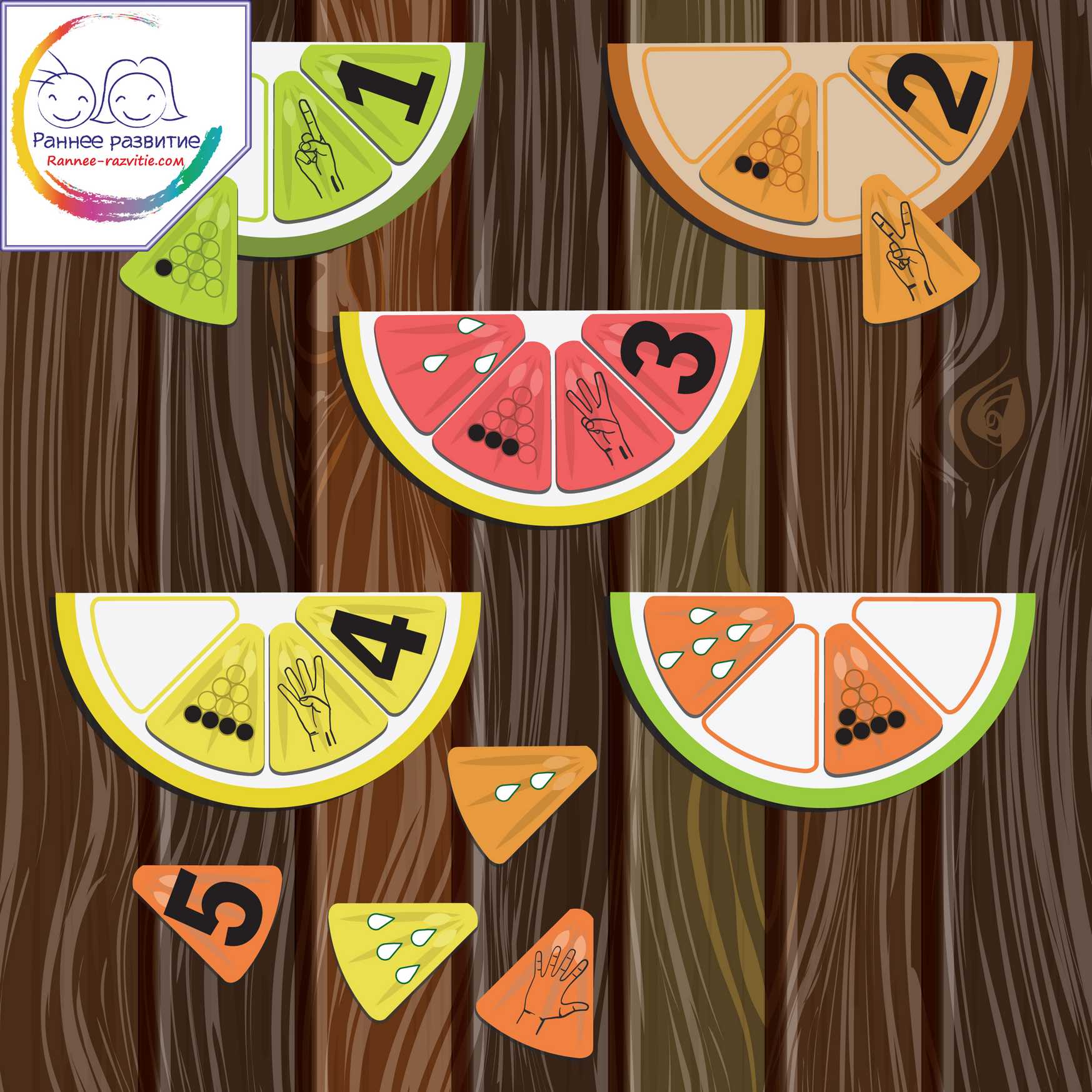
cards for counting - “citrus halves”;

40 removable elements - “citrus slices - pieces”.

What is the purpose of the didactic game “Citrus Counting”:

Purpose of the game: to develop the ability to solve arithmetic problems involving addition and subtraction using graphic symbols greater than (>), less than (<) or equal to (=). Training to count within 20, familiarization with the concepts of “Even and odd numbers. This game will be useful for children of primary preschool age (from 3 to 7 years), teachers and parents - for studying at home, in development centers and kindergartens. A selection of mathematical games for preschool children can be found in the section of the site: By skill – Mathematics – “Addition and subtraction”

Material description

How to play?
1) Give your baby one “citrus half” and mix the small “slices-pieces”. Ask them to select suitable slices and attach them to the half. In the game it is necessary to use the principle from simple to complex; you should not lay out all the cards in front of the child at once.
After all the “citrus halves” have been collected, you can proceed to compiling and solving examples.
2) Solving examples:  Choose two ready-made “citrus halves”. From both, take slices with numbers on them and place them on the “Glass of Juice” playing field. Place a sign (+,-,) between them depending on the task at hand. And the remaining “slices” will be clues for the child. For example, to find out the correct answer to addition, ask your child to count how many fingers there are on two slices of different halves, or how many bones, or how many dots. Then you need to put the “=” sign on the playing field and select the appropriate number. At the same time, we immediately determine which number is even or odd. The color of the numbers will help you remember these concepts: black ones are even, and not black (orange) are odd.
The game then continues by compiling the following examples.
How to make a game?
1) Print and laminate materials.
2) Cut out all the elements along the contour. For the convenience of attaching them to the playing field, you can use Velcro, or sticky double-sided tape pads, or simply on plasticine or gumstick.

Comments and ratings

No ratings yet